The bottom line on driving here
Aruba is one of the easiest Caribbean islands to drive. Right-hand traffic (same as the US), well-maintained roads, and an island just 20 miles long means you can't get seriously lost. Most visitors adapt within minutes.
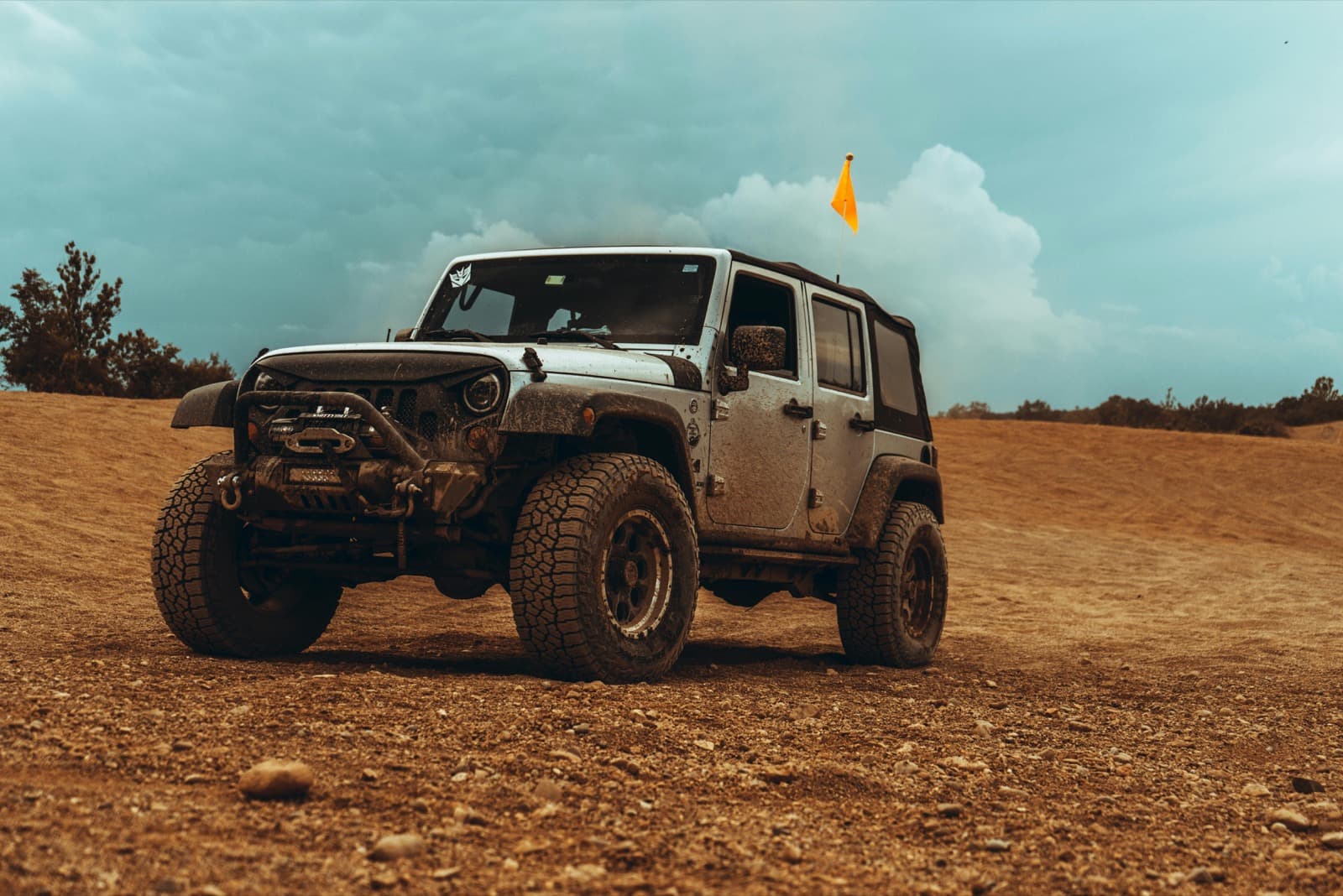
The main challenges: roundabouts (if you're not used to them), slow-moving iguanas crossing the road (not a joke), and the rough dirt roads in Arikok (which you'll avoid unless you have a 4x4).
Rules of the road
Drive on the right, pass on the left. Same as the US, Canada, and most of Europe. Speed limits are in kilometers: 40 km/h (25 mph) in towns, 60-80 km/h (37-50 mph) on main roads. Fines for speeding are steep.
Seat belts are mandatory for all passengers. Cell phone use while driving is prohibited. Hands-free only. The legal blood alcohol limit is 0.05% (stricter than the US). Police do set up checkpoints, especially weekend nights.
Right of way at intersections follows standard rules. At roundabouts, yield to traffic already in the circle (coming from your left). This trips up first-timers.
Parking is almost always free. Beach lots, shopping areas, restaurants. No meters in most of the island. Downtown Oranjestad has some paid parking ($1-2/hour) but plenty of free spots nearby.
Roundabouts: the one thing that confuses visitors
Aruba loves roundabouts. You'll encounter them constantly. The rules are simple once you get it: slow down approaching the circle, yield to traffic already inside (coming from your left), enter when clear, and exit at your turn.
Common mistakes: stopping inside the roundabout (don't, keep moving), signaling left to go around (signal right when exiting), and panicking when you miss your exit (just go around again).
Multi-lane roundabouts in Oranjestad are the trickiest. Stay in the right lane if exiting at the first or second exit. Use the left lane for exits further around. Watch what other drivers do.
Gas stations and fuel
Three main gas stations serve most visitors: one near the airport (on L.G. Smith Boulevard), one in Oranjestad near the cruise terminal, and one in the Palm Beach area (near Superfood). A fourth station is in San Nicolas in the south.
Gas costs about AWG 2.15/liter (approximately $1.20 USD/liter or $4.50/gallon). Higher than the US mainland, lower than most Caribbean islands. A compact car uses $10-15 in fuel per day of normal driving.
All stations are full-service. Attendants pump for you. Tipping isn't expected but rounding up is appreciated. Credit cards are accepted at all major stations.
Critical tip: fill up before entering Arikok National Park. There are no stations inside, and running low on a remote dirt road is a situation you want to avoid.
Navigation and practical tips
Google Maps works perfectly for navigation. Download the Aruba map for offline use before you land (your data may not work immediately). Waze also works but Google has better coverage of smaller roads.
The island is simple to navigate. One main road (L.G. Smith Boulevard / L.G. Smith Blvd) runs the west coast from the airport through Oranjestad to Palm Beach. Another road crosses to San Nicolas in the south. That's most of what you'll drive.
Rush hour traffic in Oranjestad (7-9am, 4-6pm weekdays) is the only real congestion you'll encounter. Avoid driving through downtown during these times if you're in a hurry.
Watch for iguanas. They cross roads slowly and unpredictably. They're everywhere, especially near vegetation. Slowing down for them is normal; swerving into traffic is not.
Beach roads can have sand patches. Drive slowly, especially after wind storms. The north coast roads past California Lighthouse get sandy. 4x4 isn't required, but caution is.
Ready to explore? Compare rental cars for your Aruba road trip.
Compare car rentals now →